Three Billboards Outside Ebbing, Missouri Review

11 Nov

Everything Martin McDonagh is going for here is admirable, but too much of it doesn’t work for this film to truly resonate. I’m a fan of McDonagh because he seems to realize the value in absurdity, in taking a look at people who have been through immense hardship and doubling down on the nonsensical nature of the world they live in. There’s a salient position in certain portrayals of trauma for pitch black comedy, and this approach can prove very fruitful for making striking observations about society. Three Billboards works occasionally in this realm, but people aren’t wrong when they point out that there are tonal issues throughout. The more specific problem, however, is that of the tonal issues as they relate to the character development. It’s one issue if scenes seem to make jarring turns within themselves–that can serve a very useful purpose–but tonal inconsistencies become more glaring when transitions within character arcs are weak. That’s the case here with Rockwell’s character arc in the latter half, a slight misfire of an attempt to bring him and McDormand together under the umbrella of redemption. The same goes for Rockwell and Caleb Landry Jones’ character, a dynamic that is unfortunately never fully developed.

Continue reading

Lady Bird Review

7 Nov

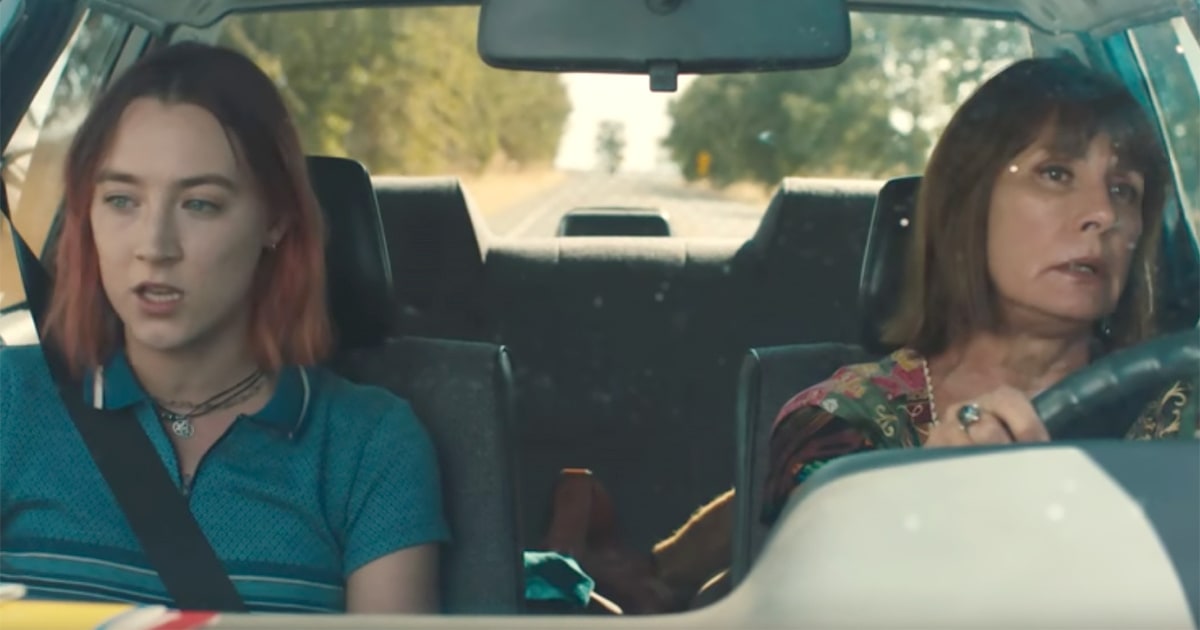
It’s…good. It’s one of those well-made films that has nothing glaringly wrong with it and is impossible to hate because of the palpable passion behind the camera. However, it’s also one of those films that seems to get its mileage out of how much the audience connects with it, and any connection to it for me is on a smaller and more transient level. There are little moments throughout that are stunningly beautiful in their simplicity–a few pieces of paper late in the film hold a tremendous amount of power–but Gerwig’s slice of life approach doesn’t always translate to meaningful depth for every character and dynamic. I’m left marveling at a few select sequences and appreciating Gerwig’s grounded approach, but I’m also left wondering “Is that it?” as the credits roll. Clearly the approach here is true to real life, and perhaps the hype influenced my slightly underwhelmed reaction, but the film overall doesn’t quite have that element that pushes its collective whole into “great” territory. It’s solid but not special. And you know, that’s perfectly fine.

Continue reading

Last Flag Flying Review

3 Nov

A Richard Linklater road trip comedy sounds like the greatest idea ever. It’s a perfect setup for his naturalistic, free wheeling dialogue and his vigorous commitment to character, for his nearly unmatched skill at drawing humanity and beauty out of apparent mundanity. He certainly accomplishes that at select moments throughout this film, but more often than not, the conversations feel artificial, strained in a way. The characters almost feel different for the sake of being different rather than different enough to draw out hidden complexities. Cranston’s hammy character is well acted–no surprise there, he’s one of the best actors alive–but it sometimes feels forced comedy-wise. Maybe that’s more the screenplay’s fault, and hey, maybe it’s wrong for me to ascribe your typical Linklater quality markers to this markedly different film. But I still get the sense that he’s trying to have it both ways. He’s trying to bring what he knows and loves to a more formalistic structure, and while I have no doubts that he has the talent to do so, it’s unfortunately not his greatest effort here.

Continue reading

Suburbicon Review

30 Oct

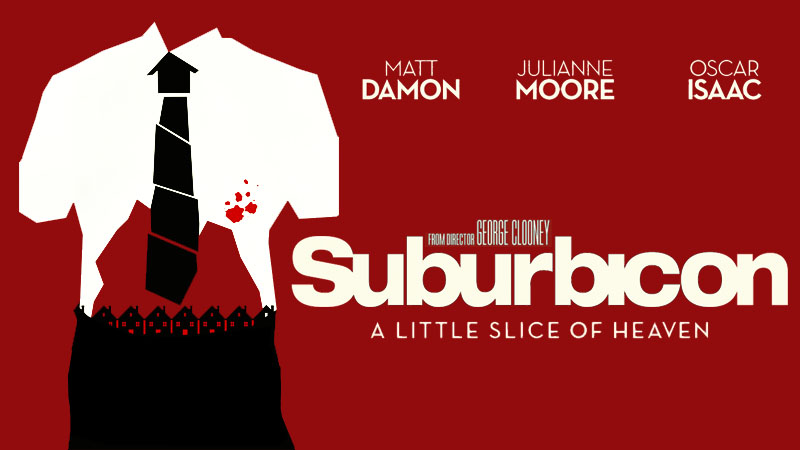
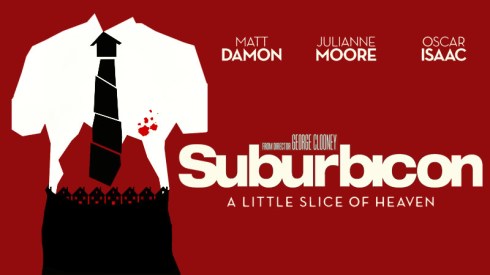
Not particularly funny, insightful, or well constructed, and the first half is a complete bore with very little in the way of effective buildup. Then the always incredible Oscar Isaac shows up, and he singlehandedly provides the film with a healthy ass kicking all the way through its conclusion. He more than Clooney seems to embrace the zany energy that the brothers bring to even their lower tier scripts, and he does so much with so little that you’re left wondering why the film didn’t revolve around him. Nevertheless, the mini crescendo jumpstarted by his character at the end is a lot of fun to watch, and there’s a dark absurdity to some of the images that oozes Coen brothers (not to mention Robert Elswit, PTA’s regular guy and one of the best cinematographers alive).

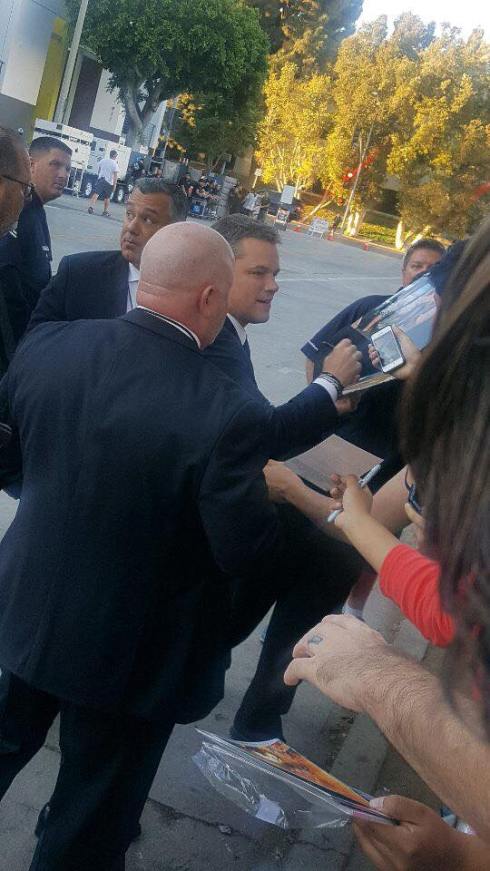
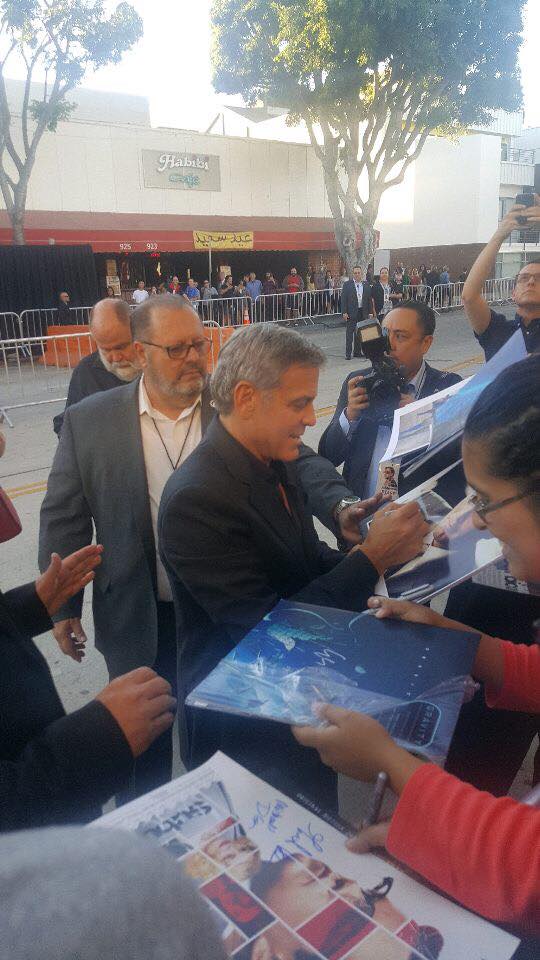
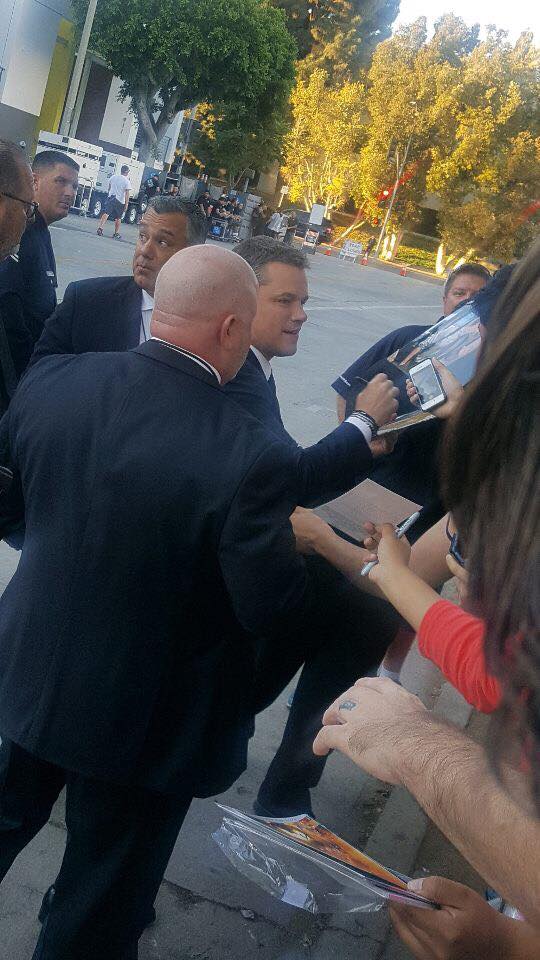
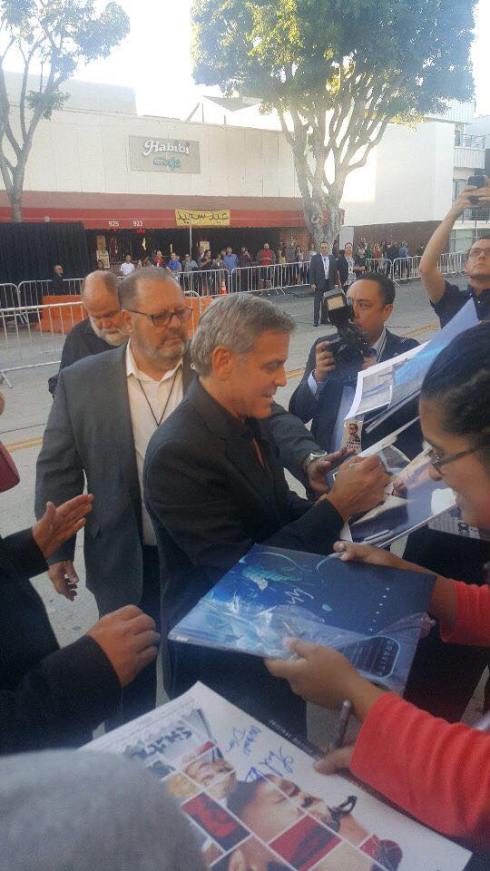
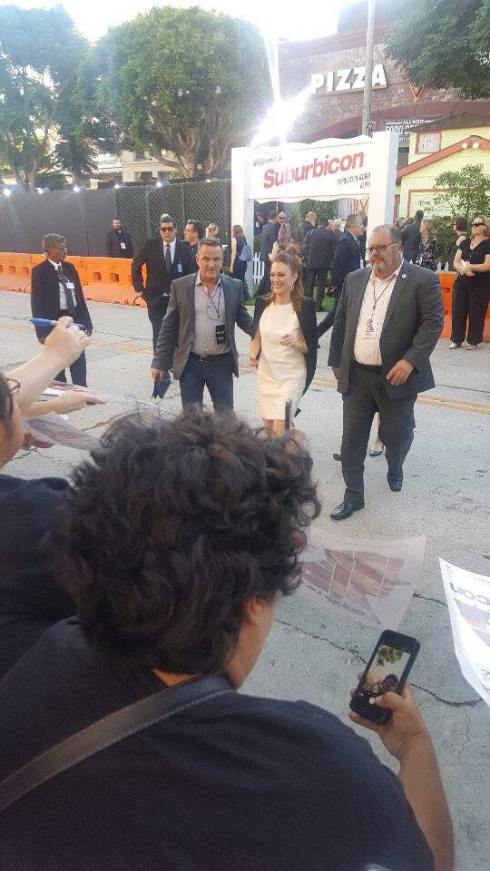
Here’s where the film completely and utterly fails: every single attempt to tie the main storyline into a commentary on race. The initial juxtapositions are fine: a white family’s violent exploits and a black family just trying to live, the violence of a mob and the tranquility of a family home, the pristine nature of a suburban neighborhood and the tensions drawn over race. But if a film wants points for absurdity through juxtaposition–and believe me, I love things like that–it simply cannot have such a poor grasp on its tone. The storyline with the black family feels both deadly serious and entirely superfluous, a poor combination given the nature of the rest of the film. I get the gist: people in the neighborhood are so preoccupied with a perceived intrusion on their sanitized way of life that they don’t realize the real ugliness is happening right under their noses (and in turn, being facilitated by them). There’s a way to approach that in an effective manner, but every time Clooney and co. attempt to, the film screeches to a halt. Whatever, I love Oscar Isaac. Also, I got Clooney’s autograph at the premiere so all is good.
The Killing of a Sacred Deer Review

18 Oct

Clearly designed to elicit reactions, and pretty successful at doing so. Lanthimos has his grasp on every tiny facet of the production, each scene a delicate balance between heightened aesthetics and blank-faced absurdity. His actors–all outstanding– deliver their lines devoid of any normal conventions of human conversation, resulting in a plethora of inappropriately comedic moments and killer lines (Alicia Silverstone owns the best one). The film occasionally gets lost in its own world, lingering too long on certain uninteresting beats and sometimes becoming a victim of its own distance. However, it’s perhaps this intentional distance–noticeable even in the camera placement–from Lanthimos that makes his story so intriguing. It works because he goes into it understanding the very concept of absurdity and the way ambiguity facilitates a seeming lack of purpose. He has no intention of explaining anything in depth because his characters haven’t even figured it out; he takes his Greek tragedy, spins a few metaphors and philosophical questions into the mix, and lets this twisted foray into human behavior to spiral toward its bone-chilling conclusion.

B+

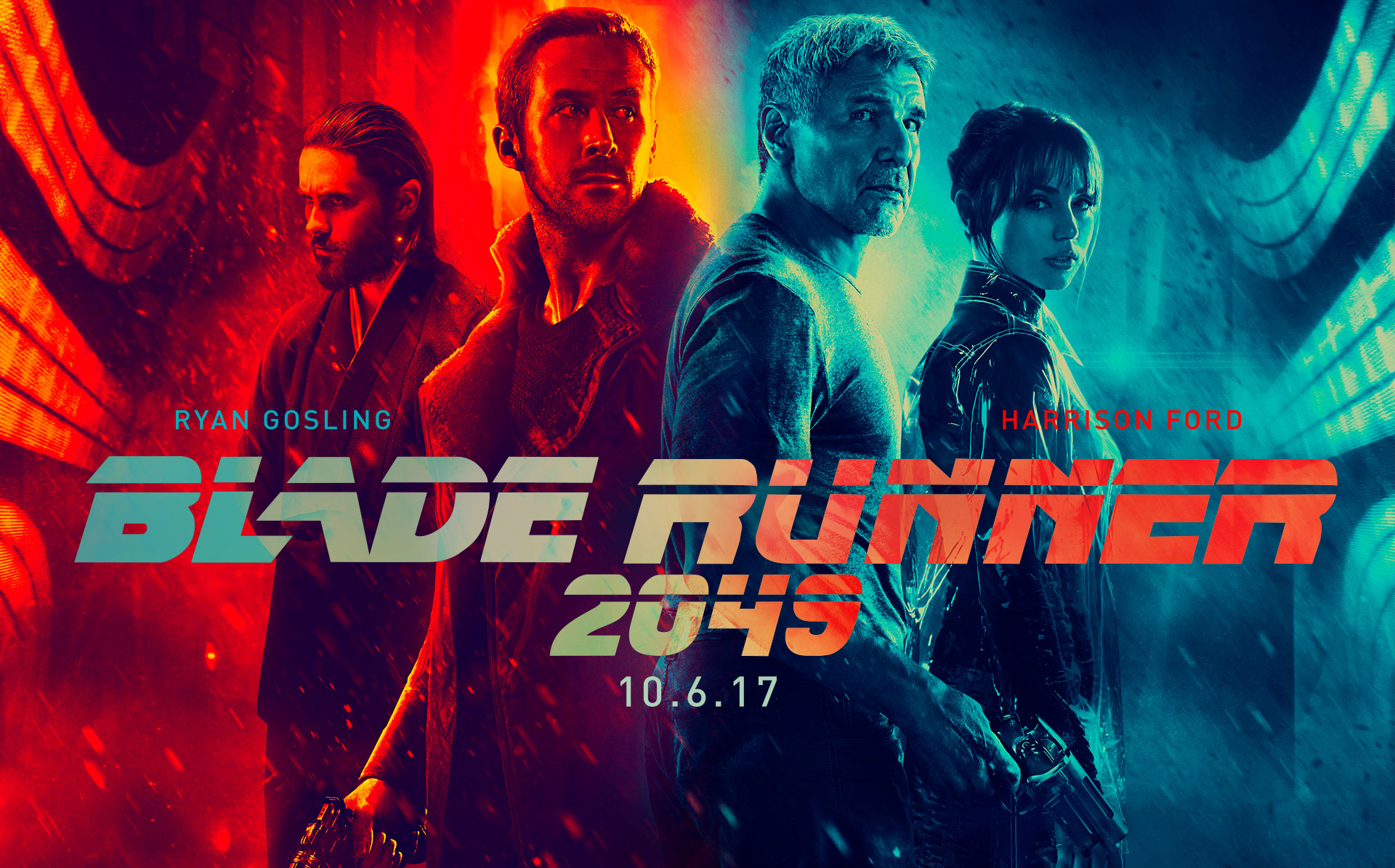
Blade Runner 2049 Review

10 Oct

Jared Leto doesn’t deserve to be lit by Roger Deakins.

The d.p. legend is back again with a masterwork of epic proportions. As is the case with the rest of his work, every frame here is heavily calculated and pored over, but it’s more readily apparent in this film than in others. It feels overtly artificial for a reason; Deakins, Villeneuve, and production designer Dennis Gassner are first working from a futuristic visual framework, then at key moments slowly introducing hidden depths and pinpoints of humanity into this bleak and foreboding environment. In this manner, the visual storytelling parallels K’s journey from blake slate through memories and towards the soul. There are several main canvasses that we see throughout: the sterile darkness of Los Angeles, the smoggy orange ruins of Las Vegas, and K himself. Deakins has an absolute field day filling those canvasses. Motivated source lighting (see: the lanterns in the Jesse James train sequence) is his forte, and you can see that he realized how much of a gold mine the city scenes are. It’s heightened artificiality. It’s a glorious collection of neon and fluorescent, with huge holograms and ship lights providing even more striking colors amidst the darkness. They all show up in some way during these scenes, illuminating the image in a way that allows Deakins to play with shadows and silhouettes. You’ll notice how mobile the shadows are, whether they’re peeling back to reveal or creeping forward to conceal. This certainly plays in tandem with the lights, which take on lives of their own as they shimmer within the frame.

Continue reading

The Florida Project Review

5 Oct

The Florida Project is about limitations. The characters are fenced in, their futures volatile and insecure, their places of residence so geographically close to privilege yet so far. There are limitations placed on their employment options, their housing options, and even their pizza topping options. Willem Dafoe’s character acts like a sheriff at times, ensuring that people are paying what they owe and that others are limited from venturing onto the premises. The premises themselves are run-down and grimy in many places, and certain scenes exude sadness without even trying.

Continue reading

Stronger Review

27 Sep

Finally. Finally a biopic that doesn’t treat its story beats like attention grabbing headlines. Finally a camera willing to linger in the right moments without reveling in or dismissing pain. Finally a “true story” film that recognizes that themes like strength, perseverance, and even patriotism can absolutely be expressed through personal, intimate human moments. I’m not saying Stronger is a pioneer in those areas, but I’ve been conditioned to expect a certain type of film with these biopics, i.e. a sanitized, rushed, and ultimately dismissive Greatest Hits reel that does a disservice to real life struggles. Thankfully, that’s not what we get here.

Continue reading

Kingsman: The Golden Circle Review

22 Sep

Bloated and a bit draining, but still lots of fun due to Vaughn’s stylized, over the top gore fests. There’s nothing here quite as memorable as what we saw in the first film, but there’s a slapstick swagger to it all that can be infectious at times. A great villain can also go a long way in any film, and Julianne Moore’s Poppy certainly fits that bill. She plays her character like a drunk, slightly unhinged evil genius, and it’s very fun to watch even if the writing fails her at times. Other standout performances include that of Pedro Pascal, Elton John (in a ridiculously hammy role that would only work in something like this), and the always dependable Mark Strong. Unsurprisingly, all of the cast members deliver the charm even amid the screenplay’s myriad questionable choices. Continue reading

Battle of the Sexes Review

20 Sep

A crowdpleaser in the same vein as last year’s Hidden Figures. It doesn’t do anything remarkable, but it coasts on its galvanizing real life story and the unwavering charm of its talented cast. Stone and Riseborough in particular bring some heart to their characters’ romance, even though the latter gets the short end of the stick when it comes to character development. Perhaps time would’ve been better spent on her rather than on Carell, who thank the lord is entertaining as hell because any drama that revolves around his character feels forced and half-baked. When the film zeroes in on Billie Jean King, it oftentimes shines, so the drama needlessly being diluted across several characters is unfortunate. Nevertheless, an altogether very pleasant experience, especially due to Nicholas Britell’s beautiful score and Linus Sandgren’s unfussy, period-appropriate shooting approach. Sandgren truly does have an eye for the way colors work in tandem, creating a vibrant but calming presence in the background.

Attended the premiere. Saw everyone. Met Linus Sandgren, Bill Pullman, Sara Bareilles, and Justin Hurwitz. Was cool.

GRADE: B