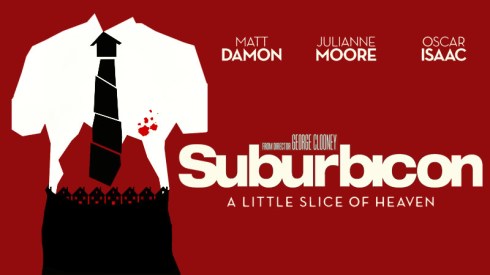
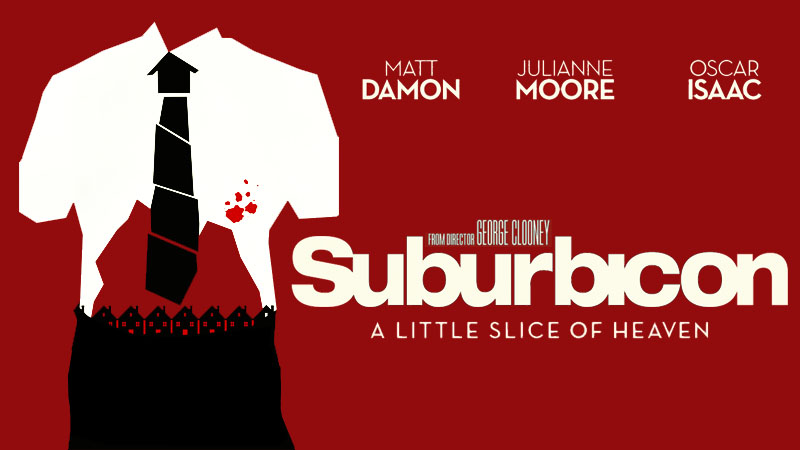
Not particularly funny, insightful, or well constructed, and the first half is a complete bore with very little in the way of effective buildup. Then the always incredible Oscar Isaac shows up, and he singlehandedly provides the film with a healthy ass kicking all the way through its conclusion. He more than Clooney seems to embrace the zany energy that the brothers bring to even their lower tier scripts, and he does so much with so little that you’re left wondering why the film didn’t revolve around him. Nevertheless, the mini crescendo jumpstarted by his character at the end is a lot of fun to watch, and there’s a dark absurdity to some of the images that oozes Coen brothers (not to mention Robert Elswit, PTA’s regular guy and one of the best cinematographers alive).
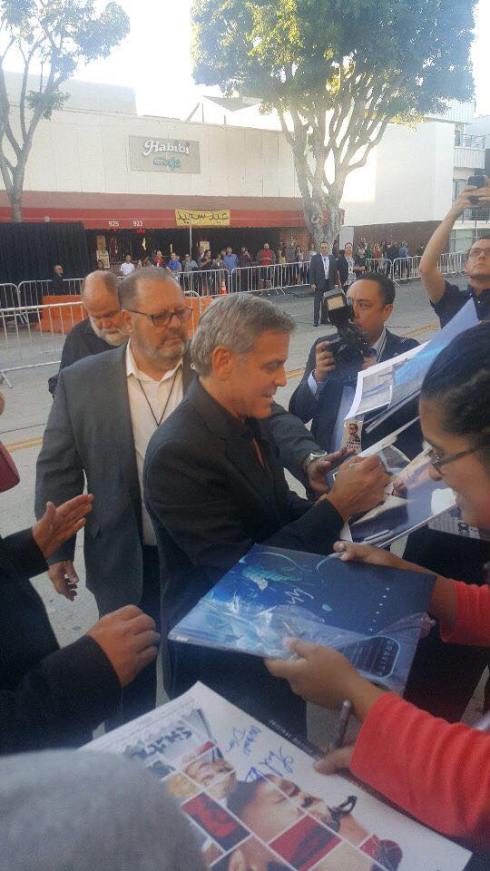
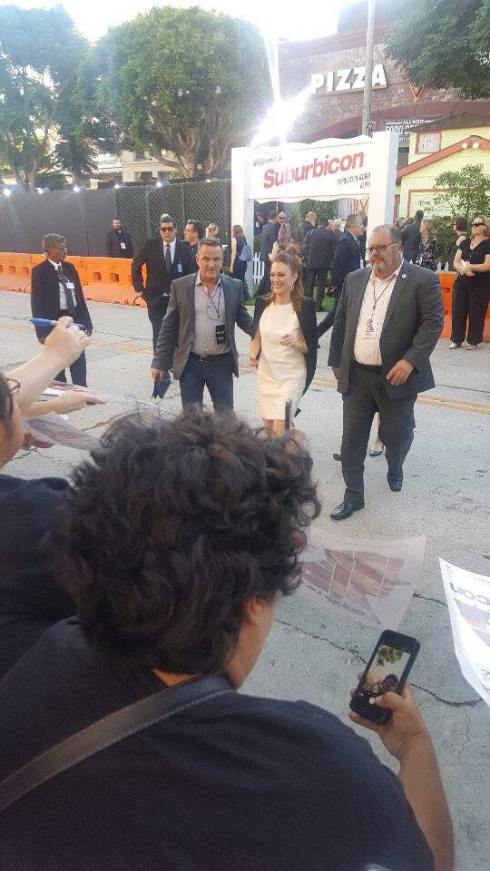
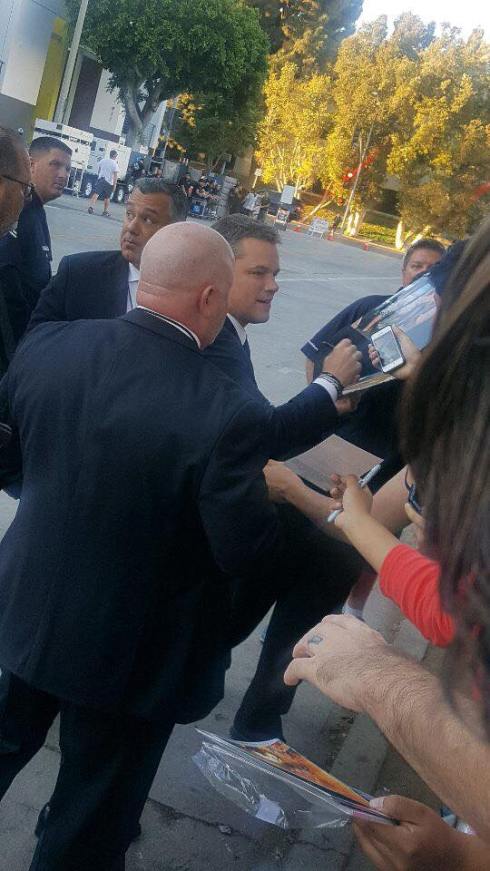
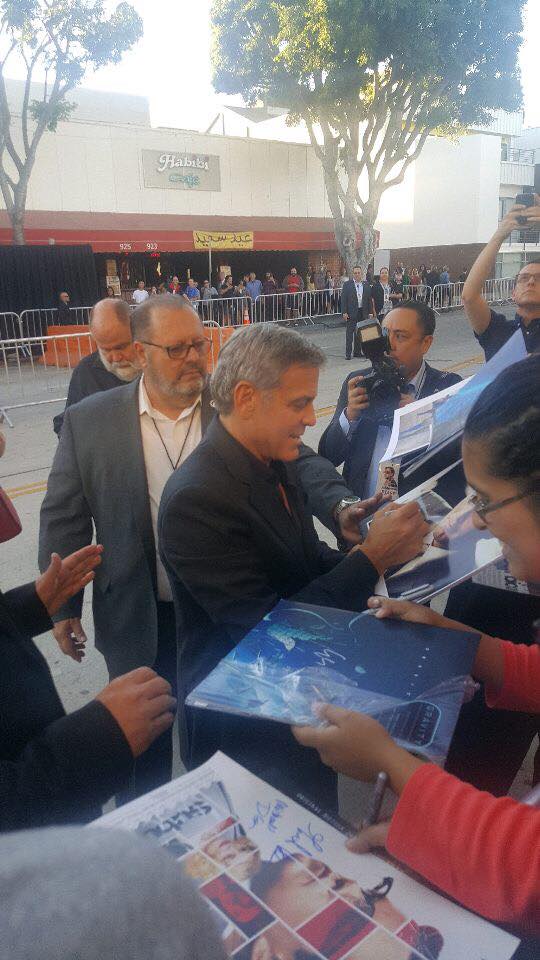
Here’s where the film completely and utterly fails: every single attempt to tie the main storyline into a commentary on race. The initial juxtapositions are fine: a white family’s violent exploits and a black family just trying to live, the violence of a mob and the tranquility of a family home, the pristine nature of a suburban neighborhood and the tensions drawn over race. But if a film wants points for absurdity through juxtaposition–and believe me, I love things like that–it simply cannot have such a poor grasp on its tone. The storyline with the black family feels both deadly serious and entirely superfluous, a poor combination given the nature of the rest of the film. I get the gist: people in the neighborhood are so preoccupied with a perceived intrusion on their sanitized way of life that they don’t realize the real ugliness is happening right under their noses (and in turn, being facilitated by them). There’s a way to approach that in an effective manner, but every time Clooney and co. attempt to, the film screeches to a halt. Whatever, I love Oscar Isaac. Also, I got Clooney’s autograph at the premiere so all is good.
Tags: African Americans racism black Suburbicon, Fire truck robber death Suburbicon, Gardner Lodge Matt Damon death peanut butter jelly sandwich poisoned, George Clooney director Suburbicon, Matt Damon Gardner Lodge Suburbicon, Matt Damon Julianne Moore Oscar Isaac Suburbicon, Nicky son police lineup robbers Suburbicon, Oscar Isaac Bud Cooper insurance agent Suburbicon, Oscar Isaac lye poisoned coffee Suburbicon, PBJ lye poisoned Suburbicon sandwich, Rose death robbers Julianne Moore Suburbicon, Suburbicon Coen Brothers screenplay, Suburbicon flop critic reviews












 Polar Bears Watch TV