From a production standpoint, The Handmaiden is easily one of the best films of the year. The costumes, set design, and lighting are all immaculate, and an incredible amount of detail reveals itself as we plunge deep into Park Chan-Wook’s mesmerizing world. The film distinguishes among its influences–Victorian, Japanese, Korean–but it also allows them to slide around each other like snakes, lines crossed and blurred with dark implications simmering underneath. The film’s universe is fun and alluring, pitch-black and mysterious. Everything has an erotic undertone. It’s rarely uninteresting to watch, and the themes relating to female sexuality–especially as it contrasts with that of the males in this story–are worthy of extensive discussion.
The first 70 minutes of this movie are excellent. The sound design is impeccable. Stephen Lang’s physical performance is incredibly menacing. The concept is used cleverly, especially during a beautifully shot basement sequence in which the tables are turned on our young robbers. The icing on the cake: a tracking shot early in the movie that lays out where everything is in the house and gives us a sense of the space that’s available. We know, for the most part, exactly what these characters are getting themselves into, and that makes what follows even more effective.
This is a more polished script away from being a fantastic movie. Though every aspect of the production is impeccable, the story flounders in the middle act and prevents the film from reaching its full emotional potential at the end. A bit too much time is spent on the–albeit entertaining–banter between Kubo, McConaughey’s Beetle, and Theron’s Monkey, and attempts to tie everything together during the climax fall short. Don’t get me wrong, there are a multitude of powerful images in that final sequence, but it would all feel more earned and less rushed if we got more insight into both the Moon King and Kubo himself. Its messages about storytelling, memories, family, and death all resonate at times, but they don’t quite gel into a cohesive thematic whole. That aside, I still give the film credit for not pandering; it willingly engages with dark material and trusts its audience to be okay with that.
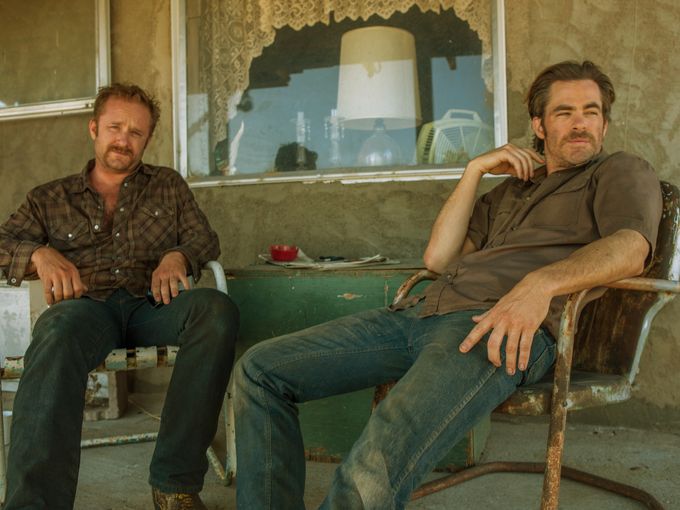
It would require constantly falling asleep throughout this film not to get what Taylor Sheridan is trying to say, and even then, a line or two might slip in about how the evil banks are suffocating the old way of life in town. As heavy-handed as the dialogue can be, though, this contemplation of generations past effectively lends an air of melancholy to the film. Along with the beautiful photography by Giles Nuttgens and the wonderful score by Nick Cave and Warren Ellis–the masterminds behind the even more melancholic Assassination of Jesse James–the script’s themes do a nice job of drawing you into this desperation-filled world.
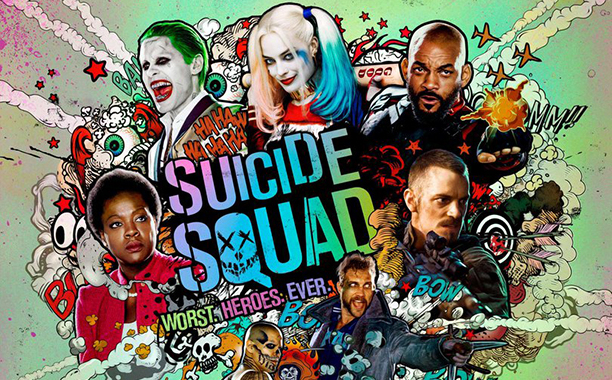
This crap is what results when you vomit a sludge of ideas onto the screen in lieu of trying to figure out what fits where. This is what happens when your set sounds like a worse place to work at than a sweatshop. This is what you get when the society you live in demands a new superhero movie every week, quality be damned. This is incompetent filmmaking, plain and simple, and it’s clear that the man who helmed the terrific End of Watch has plunged off a cliff to his fiery directing demise.
Very little about this movie is particularly original or interesting, and there’s a clear formula that Paul Greengrass breezes through here: Bourne walks away at an above average speed, the CIA picks him up in the crowd, someone catches up to him, they fight while the camera has a seizure, and Bourne gets away and is free to direct his stoic gaze upon the next scene. Add onto that a half-hearted attempt to insert a topical plot about surveillance, and you get a Bourne installment lacking the fresh, kinetic efficiency of the original trilogy (trilogy means three, people, so why the hell are we on number five?).
This movie has it all: awful dialogue, wooden characters, irritating stereotyping, and a concept that’s way more interesting than what we end up getting. And yet…there’s something quite enjoyable about a movie like this, one that takes its world to extremes and delivers its messages with a sledgehammer. It’s not trying to be scary or subtle, and going into it thinking it’ll be one or the other is a recipe for disappointment (this should not be classified as horror, by the way). Do I wish a better writer/director helped this concept realize its full potential? Yes. Do I wish we got an intelligent and nuanced political satire? Of course. However, if I have to accept this movie for what it is, then my biggest criticism is that it doesn’t go even more over-the-top. Take stuff like the church scene and constantly pump it with drugs for 100 minutes, and that’s a movie I’d be excited to see.
Let’s get this out of the way first: the film industry overall is better when films like this are made, when distributors like A24 take a chance on something as original as this and do their best to bring it to the general public. It’s such a strangely brilliant concept for a story, and the fact that we all have a chance to go support this in a theater right now is refreshing. Sure, this and The Neon Demon probably have a combined theater life of approximately 3 weeks, but it’s nice knowing that options are at least out there. I will gladly support these smaller films as everyone else is trudging into Independence Day: Resurgence or whatnot, even if what I’m supporting is as mediocre as some of the other summer fare.
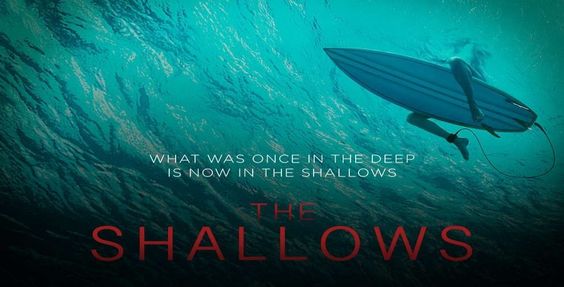
I suppose I’ll start with what’s already been so astutely observed by pretty much every review I’ve read: 1) Blake Lively is in a bikini, and 2) There is a seagull in this movie that should be in the running for best supporting actor. Aside from that, this is a solid b-movie survival thriller with a committed central performance and nice visuals, and though it doesn’t break any new ground, it’s not a bad entry to the survival genre. Even in its short running time, it does get a bit repetitive at times, but it’s nevertheless most effective when it focuses on Lively’s character figuring out how to survive. When it attempts to shoehorn in a backstory about a dead mother and uncertainty about medical school, though–as well as some arguable symbolism–it gets tiresome. To put it in a semi-clever way that makes me proud of myself, it reaches for something too deep when it really should just remain in the shallows.
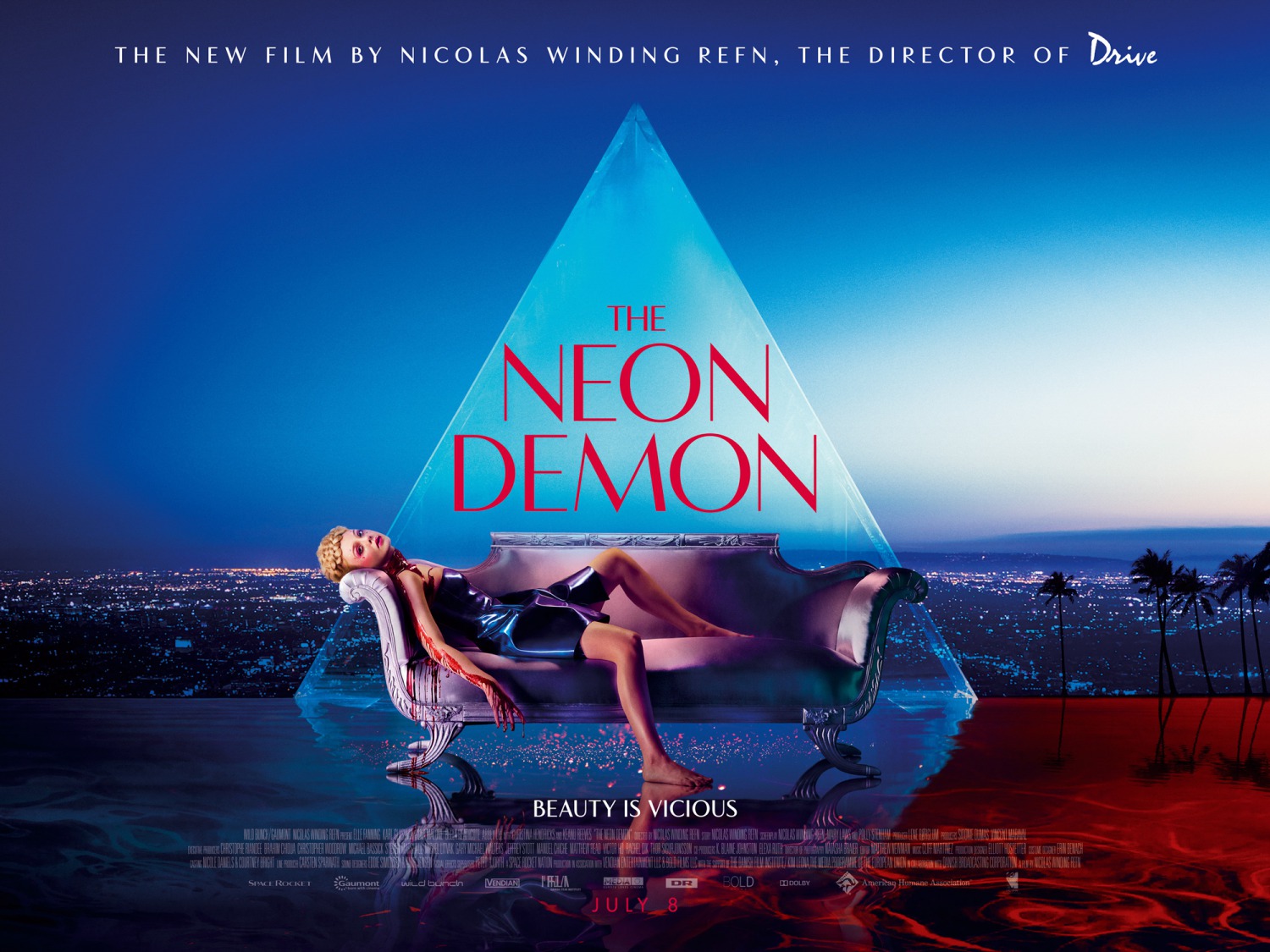
This is the type of movie that generates strong reactions in the audience, reactions that run the gamut but at least rise above the resounding “meh” that meets most summer films. It’s a meticulously crafted work of art, each scene precise and perfectly calibrated as colors dissolve into each other and create an artificial world of detachment. As Cliff Martinez’s phenomenal score pulsates in the background–scratch that, at the forefront–Natasha Braier’s striking cinematography balances beauty, hollowness, and the grotesque. Anything from mirrors to animals are used as key symbols throughout, and a runway scene during the second half is a brilliant symbolic representation of an essential transformative moment. This is style over substance in a good way; sure, the film’s satirical elements and Refn’s penchant for symbolism aren’t particularly mind-blowing, but the way they’re integrated into the aesthetic experience is fascinating.









 Polar Bears Watch TV